A Revolutionary Vision
Oakdale was a revolutionary model village, designed to elevate the lives of the colliery workers during the early 20th-century coal boom.
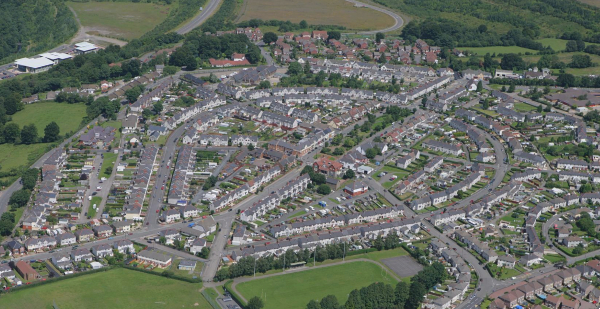
Built by the Tredegar Iron and Coal Company between 1909 and 1924, Oakdale was designed as a true "model village" to house the workforce of the new Oakdale Colliery. Influenced by the Edwardian Garden City movement, Oakdale was designed to be a compassionate departure from the cramped, shadowed terraces typical of the industrial era.
A Garden Community
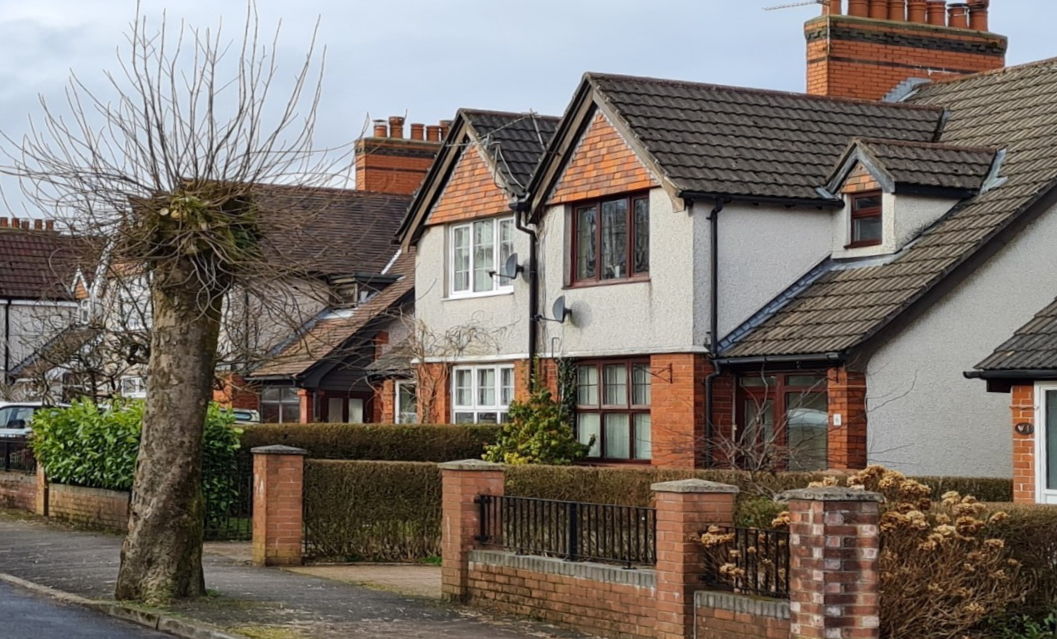
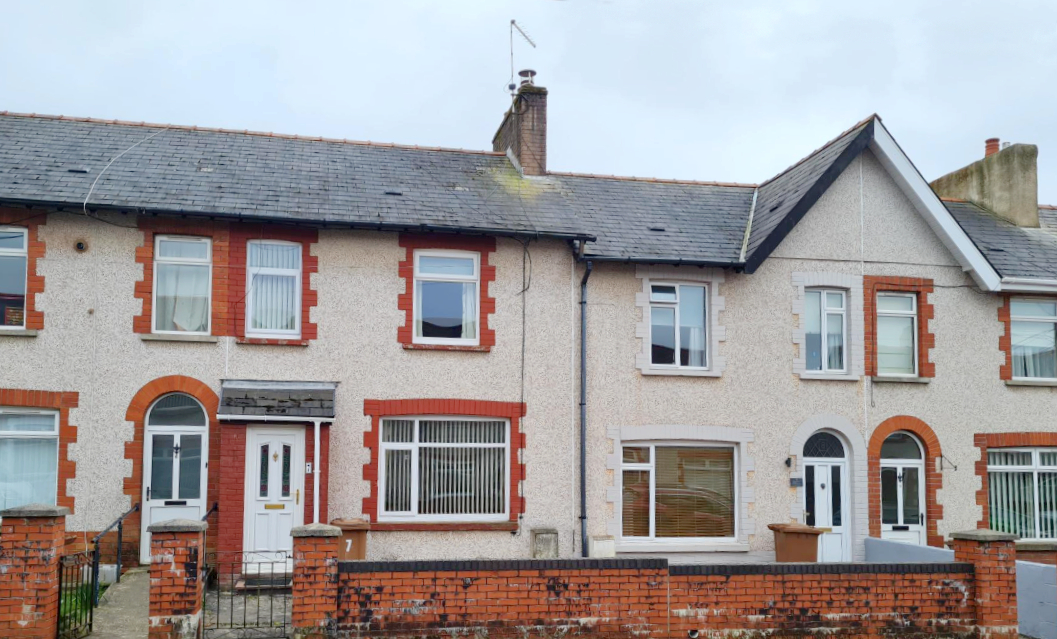
Conceived by company official A.S. Tallis, the village was deliberately set apart from the dust of the coal mine and nestled among green fields. It was laid out in a distinctive concentric horseshoe shape, with sweeping transverse and "spoke" roads ensuring the community felt connected. When the first wave of housing was completed in 1913, it offered miners and their families unprecedented modern dignities: hot and cold running water, electric lighting, large cooking ranges, and—perhaps most radically for the time—indoor toilets.
A Village at War: 1914 & 1939
When the North and South steam coal pits of Oakdale Colliery became fully operational in 1911, it quickly proved to be an engineering triumph. Boasting the largest shaft diameters in South Wales, this state-of-the-art pit even generated its own electricity, eventually powering neighbouring collieries.
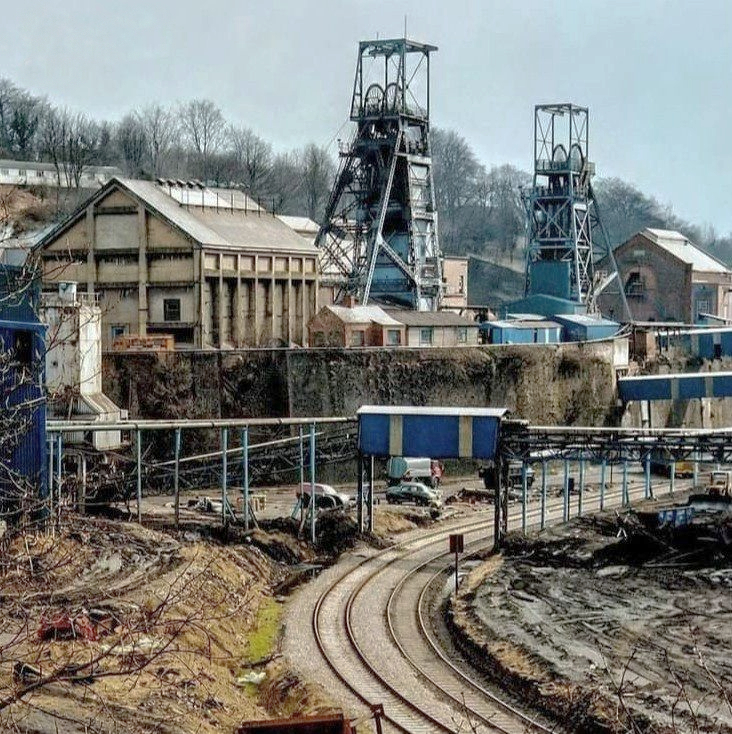
This industrial might became vital to Britain's survival during both global conflicts of the 20th century. During the First World War, Oakdale's high-quality Welsh steam coal was the lifeblood of the British Grand Fleet. Many miners put down their picks to join the Royal Engineers, deploying their expert timbering skills on the Western Front to construct deep military trenches and subterranean landmines.
Just two decades later, the village was called upon again during the Second World War. The colliery worked relentlessly to fuel a besieged nation, while a new generation of Oakdale men and women stepped forward to serve in the armed forces across the globe.
Just two decades later, the village was called upon again during the Second World War. The colliery worked relentlessly to fuel a besieged nation, while a new generation of Oakdale men and women stepped forward to serve in the armed forces across the globe.
Explore the Archives:
► WWI Overview: Oakdale and "The Great War"
► WWII Overview: Oakdale & The Fallen (Coming Soon)
A Legacy of Care
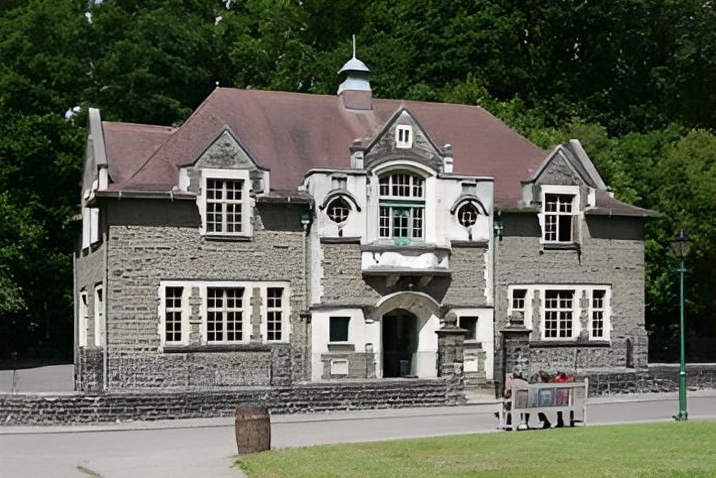
Back home, a unique community continued to rise amidst the hardships of war. Unlike traditional valley towns where doors opened directly onto the pavement, every house in Oakdale boasted a front and back garden to ensure healthy living conditions away from industrial congestion. At its heart stood the Oakdale Workmen’s Institute. Funded by the miners' own subscriptions and company loans, its foundation stones were laid on 3 July 1916. Serving as a library, concert hall, and educational hub, the Institute became known as the "brains of the coalfield"—a monument to community resilience so culturally precious that it was later preserved and rebuilt at the St Fagans National Museum of History.
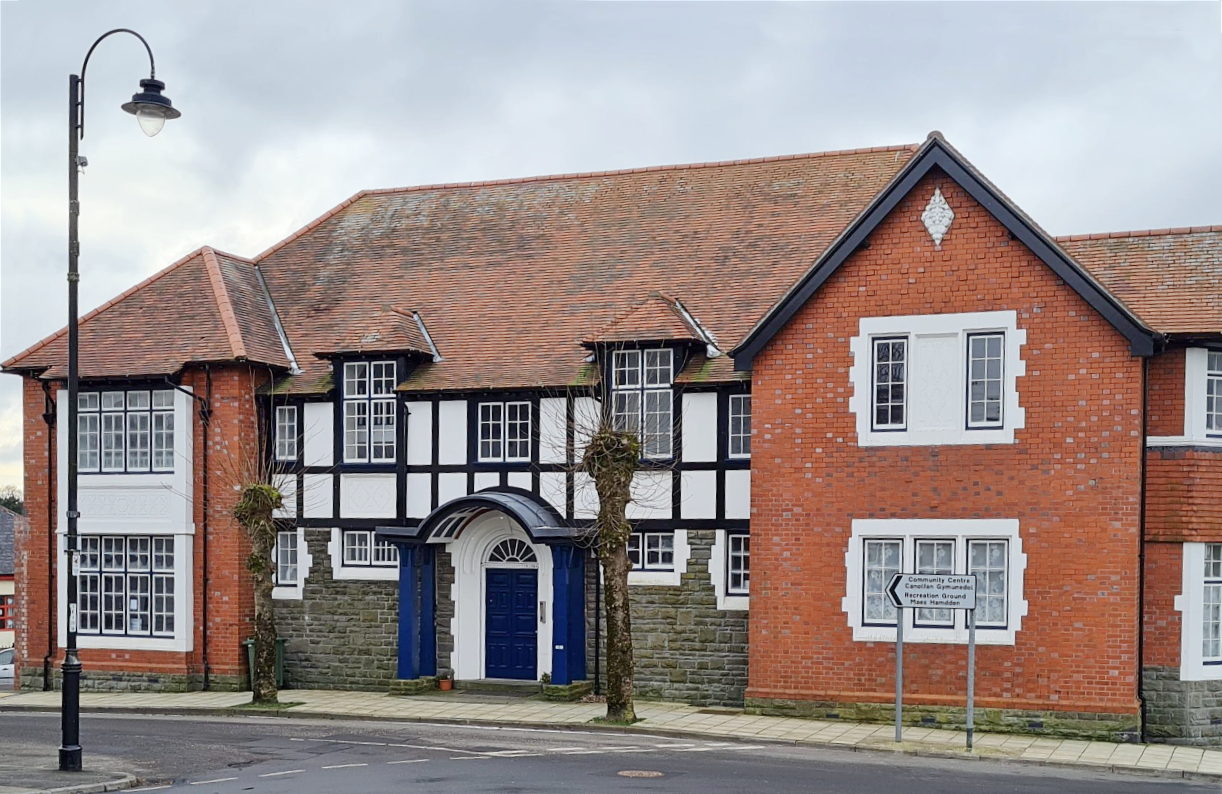
The village grew rapidly to include schools, chapels, and a hospital. Today, Oakdale’s layout and history remain a testament to one of the most ambitious attempts in South Wales to provide a planned, high-quality environment for a hardworking community.
Read more about Oakdale: ► Cadw: The 15-minute Heritage