Chapter III
Prisoners & The Missing
Whether a soldier was lost on the warfront or vanished behind enemy wires, families faced an agonizing limbo of uncertainty and silence.
The Agony of Absence & Captivity
While tactical advances and frontline losses were heavily documented, a quieter, more devastating trial awaited many families across the Gwent valleys. For those whose men vanished into the fog of war or disappeared behind enemy lines, the lack of definitive closure created an enduring psychological weight. Whether swallowed by the churning mud of the Western Front or held behind barbed wire in German prison camps, these soldiers represented the most heartbreaking facets of the conflict's human cost.
In this third chapter of our "Stories" we focus on the details of the First World War beyond the battlefront to see (You may select below to go directly to that campaign.)
In this third chapter of our "Stories" we focus on the details of the First World War beyond the battlefront to see (You may select below to go directly to that campaign.)
Missing & No Known Grave
For the families of Oakdale, the arrival of a War Office telegram often brought the most agonizing news of all: not that a son, father, or husband had been killed in action, but that he was simply "missing." In the mechanized slaughter of the Western Front, the sheer volume of high-explosive artillery and the suffocating, bottomless mud of the battlefield frequently obliterated all physical traces of the fallen.[1] To be denied a body meant being denied closure, leaving families in the valleys to cling to desperate, fading hopes that their men might one day return.
The chaotic nature of trench warfare meant that men advancing through blinding smoke, heavy machine-gun fire, and intense artillery barrages often fell completely unseen by their comrades. When entire platoons were swallowed up during desperate engagements like the Somme offensives, scores of soldiers simply vanished.
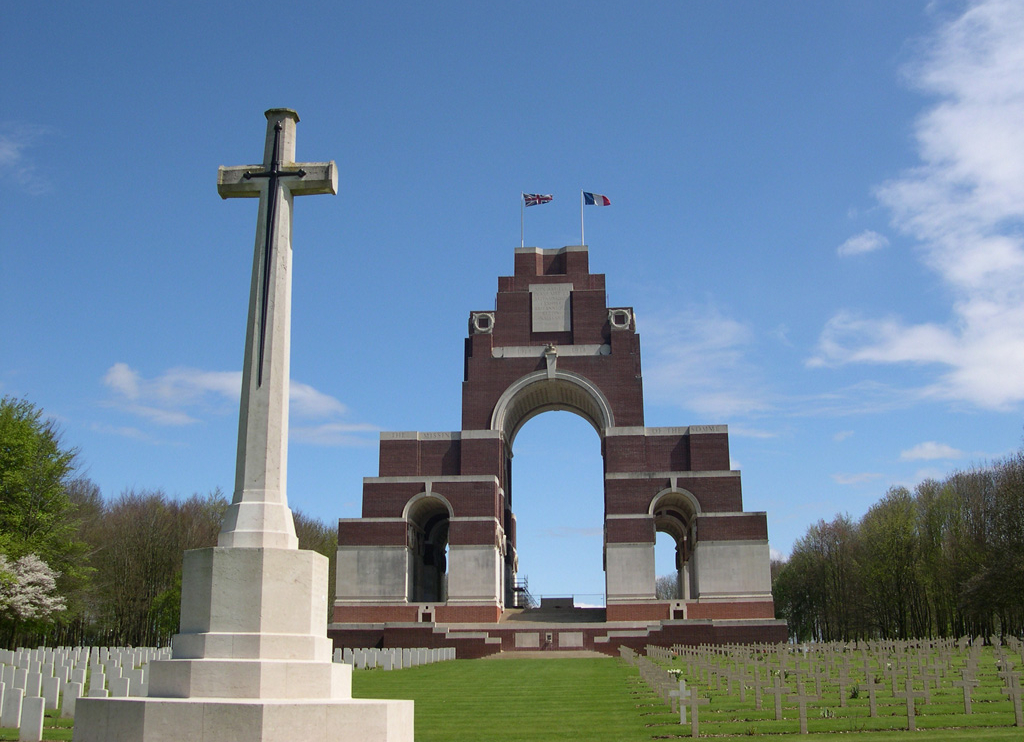
The many names of these men were entrusted to massive stone monuments like the Thiepval Memorial to the Missing, serving as a heartbreaking substitute for a local headstone. Soldiers such as Pte. Michael Farrell, L/Cpl. John Richard John, and Pte. Earnest Prosser became part of this tragic statistical void—their ultimate resting places swallowed by the earth with no physical trace left behind.
Captivity & Life Behind the Wire
The terrifying designation of "Missing" sometimes gave way to a different kind of trial. Weeks or months later, families might receive word through the International Committee of the Red Cross that their loved one had survived the chaos of combat only to be captured. Yet, surviving the battlefield to become a Prisoner of War in the German Empire was merely the beginning of a grueling test of endurance.
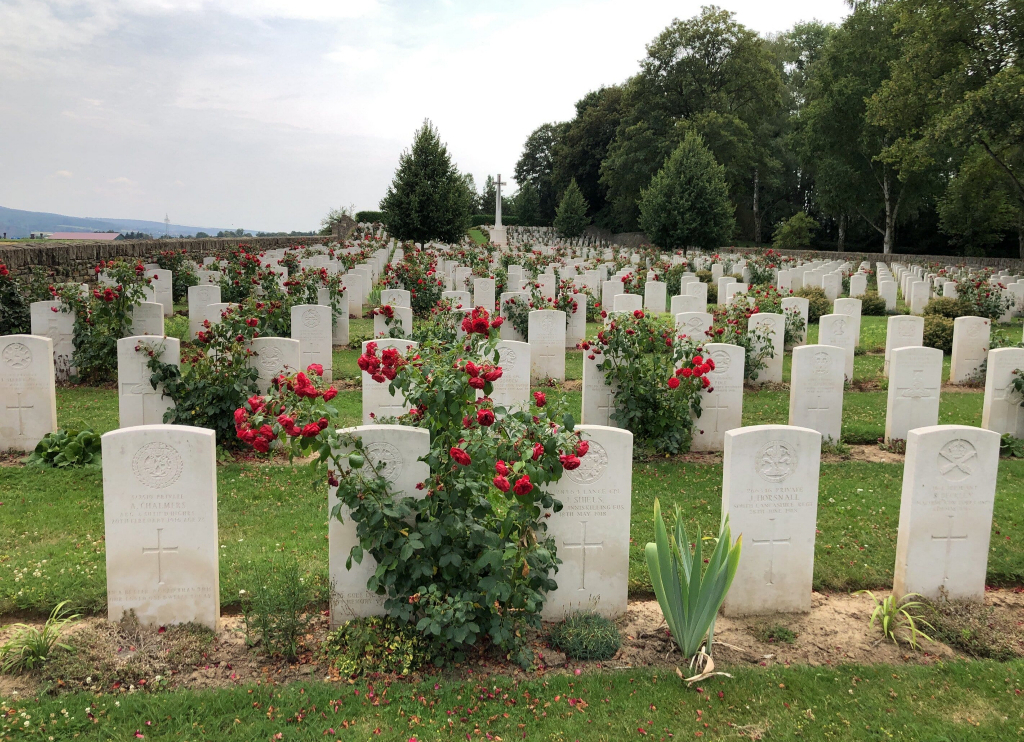
Captured soldiers were transported by rail deep into the interior of Germany, to sprawling, hastily erected camps such as Niederzwehren near Kassel. These installations held thousands of Allied prisoners under harsh, overcrowded conditions. Life behind the wire was defined by chronic hunger, bitter cold, and inadequate sanitation. Rations authorized by the camp administration were severely meager, forcing prisoners to rely heavily on infrequent parcels from home to stave off starvation. Furthermore, captives were routinely organized into Arbeitskommandos—forced labor detachments sent out to toil in local agriculture, coal mines, and industrial yards to sustain the German wartime economy.[2]
Navigating this psychological and physical torment required immense resilience. While some men managed to endure the years of confinement until the Armistice finally opened the gates, others found that survival did not end with the ceasefire. In the chaotic post-war weeks, amidst a crippled German infrastructure and the ravages of the global Spanish Flu pandemic, vulnerable men succumbed in tragic limbo before repatriation could be achieved. Valley soldiers like Pte. Thomas Davies faced this heartbreaking final hurdle, passing away far from home just as peace was declared.
Chapter III Notes