Chronological Cross-Reference: 1907 – 1919
The Great War reshaped Europe and the Middle East, sweeping Oakdale's men into history's most devastating battles.
1907
1907
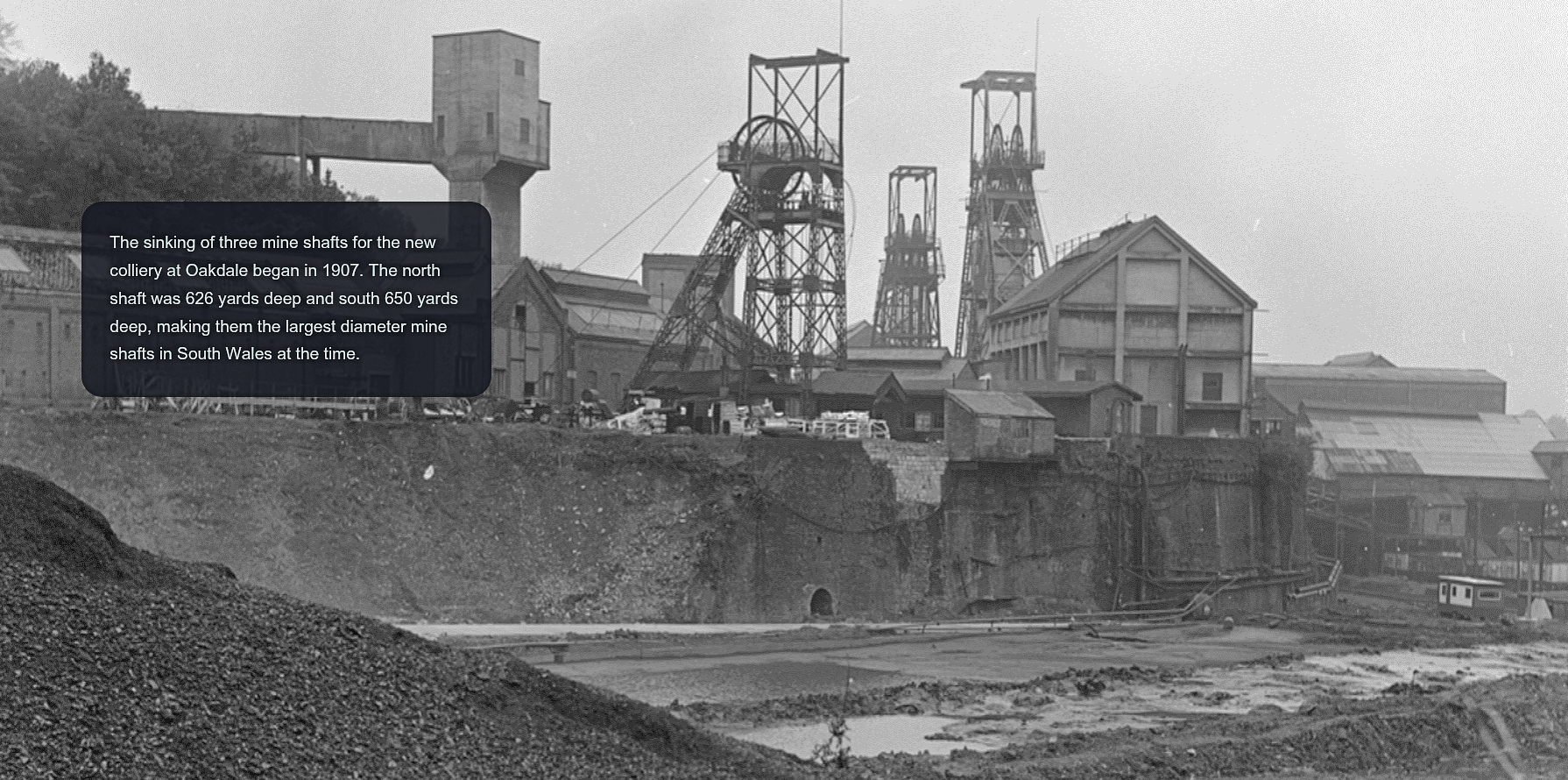
The sinking of Oakdale Colliery's mine shafts begins.
1911
1911
By 1911, Oakdale Colliery had proven to be an engineering triumph. Boasting the largest shaft diameters in South Wales, the state-of-the-art pit even generated its own electricity.
The revolutionary "model village" to house the colliery workers begins — the brainchild of Mr A S Tallis, manager of the Tredegar Iron and Coal Company.
1914
13 March
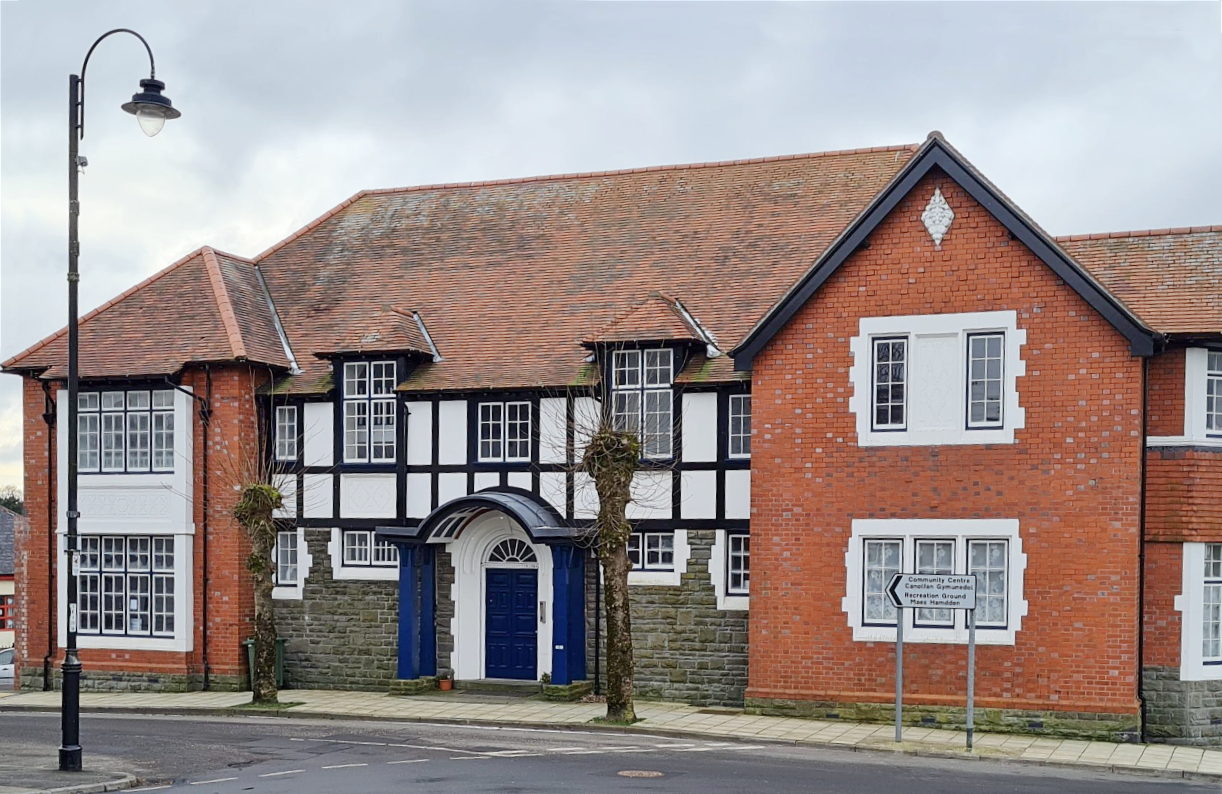
A new hotel for Oakdale is proposed.

04 August
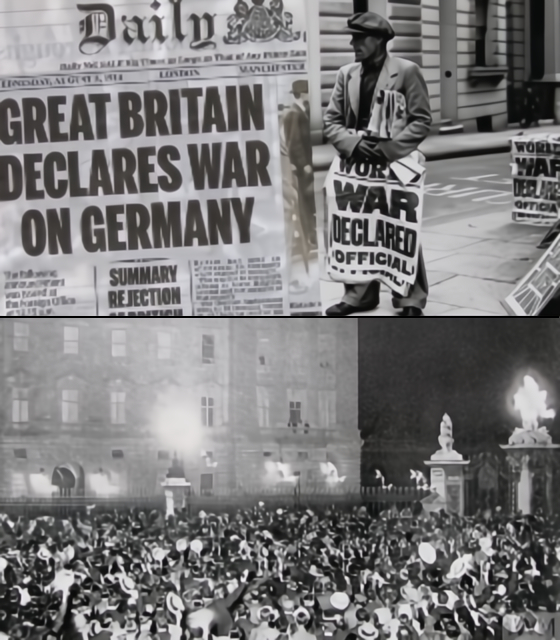
Britain Declares War on Germany
23 August
Battle of Mons
The British Army's first major clash of WWI — defending the Mons–Condé Canal, Belgium and inflicting heavy casualties on the German First Army.
19 October
First Battle of Ypres
Allied and German forces collided in Belgium, ending Germany’s "Race to the Sea" and cementing bloody trench warfare.
1915
February 1915
Dardanelles Campaign
A naval operation led by British and French warships. The goal was to force a passage through the Dardanelles Strait, controlled by the Ottoman Empire and open a sea route to Russia. Failing to break through,the Allied command realized naval power alone would not suffice.
The Dardanelles Campaign was the primary operation that dramatically shifted the scale of World War I beyond the Western Front, turning a deadlocked European conflict into a truly global war.
1914 – 1915
Early Trench Warfare in Flanders
The opening months of the First World War on the Western Front subjected the British Expeditionary Force to unprecedented violence, culminating in a desperate struggle for survival.
05 April
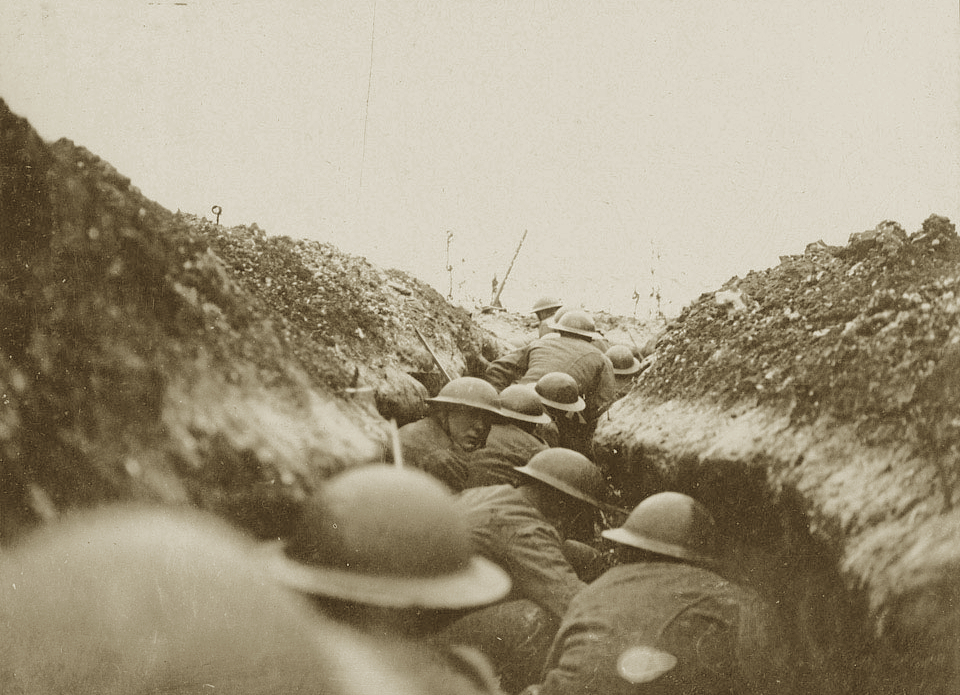 British raiding party await the word.
Pte. Albert Stewart Price
- died of wounds, France
22 Apr. – 25 May 1915
Second Battle of Ypres
Germany’s first mass use of lethal chlorine gas on the Western Front. The devastating chemical attack shattered Allied lines, but fierce resistance successfully blocked the German advance toward the strategic town of Ypres.
08 May
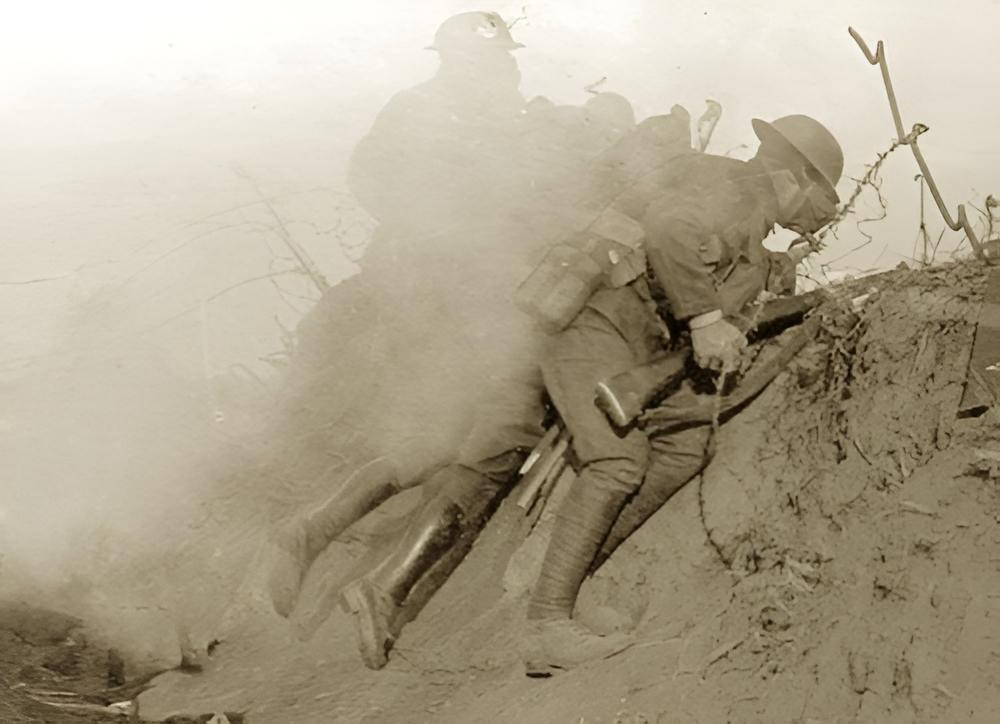 ✪ First use of chlorine gas at the 2nd Battle of Ypres.
Pte. Thomas B. Havard
- killed in action, Belgium
Pte. Frederick J. Symons
- killed in action, Belgium
Pte. Phillip A. Williams
- killed in action, Belgium
13 May
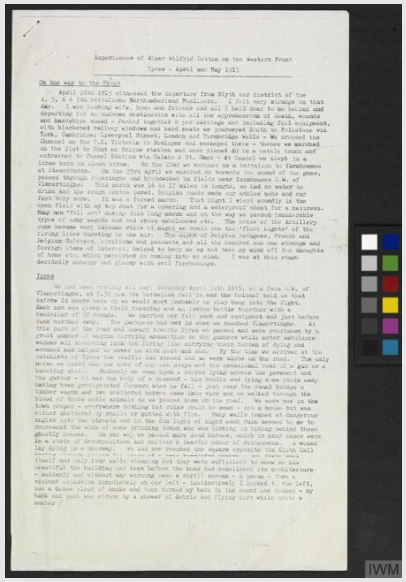 Notes of Lieutenant E W Cotton at 2nd Battle of Ypres.
19 Feb. 1915 - 9 Jan. 1916
Gallipoli Campaign
Because the naval assault failed, the Allies launched a massive eight-month amphibious land battle invasion on 25 April 1915 to capture the Gallipoli Peninsula. The objective was to neutralize the Ottoman shore artillery so the warships could pass through the Dardanelles Straight.
24 August
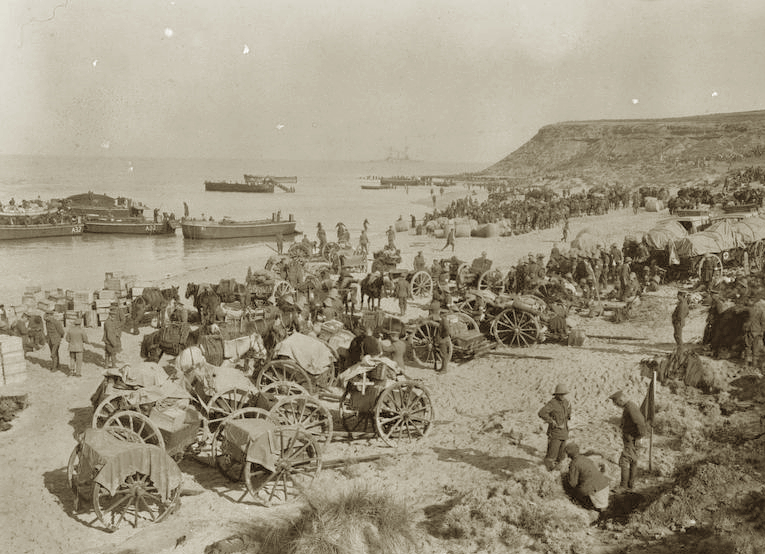 Troops and transport from 29th Division at 'Lancashire Landing'
30 November
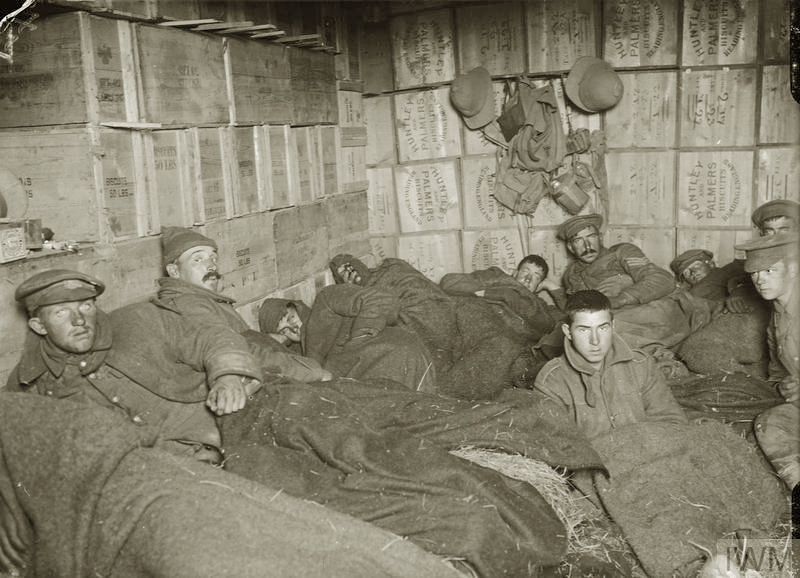 Frost-bitten soldiers lying on straw in shelters
Sapper William Arthur Lloyd- killed in action, Gallipoli
1916
February 1916
Battle of Verdun
Beginniing with a massive German artillery bombardment, this became WWI’s longest, symbolising fierce resistance and devastating attrition.
6 Nov. 1914 – 14 Nov. 1918
Mesopotamian
Campaign
Fought primarily in modern-day Iraq, the campaign was defined by the Siege of Kut-al-Amara, resulting in one of the most humiliating defeats in British military history. British relief efforts failed disastrously, costing up to 40,000 casualties.
Campaign
09 April
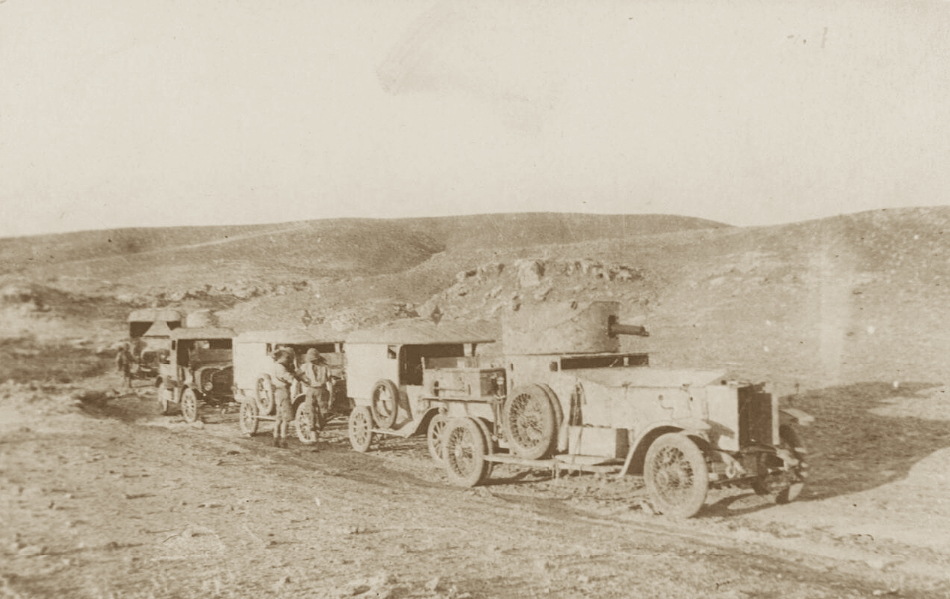 Private papers of J E Beckett and his service in Mesopotamia...
22 April
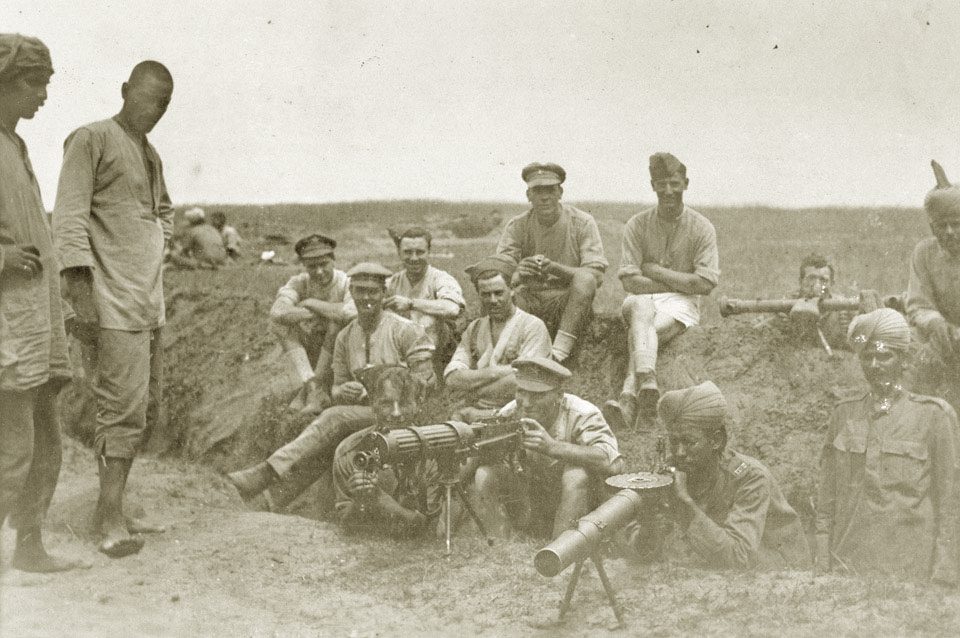 British and Indian gunners with a Vickers machine gun...
Dec. 1915 – May 1916
Givenchy-lès-la-Bassée Sector
Because the naval assault failed, the Allies launched a massive eight-month amphibious land battle invasion on 25 April 1915 to capture the Gallipoli Peninsula. The objective was to neutralize the Ottoman shore artillery so the warships could pass through the Dardanelles Straight.
25 May
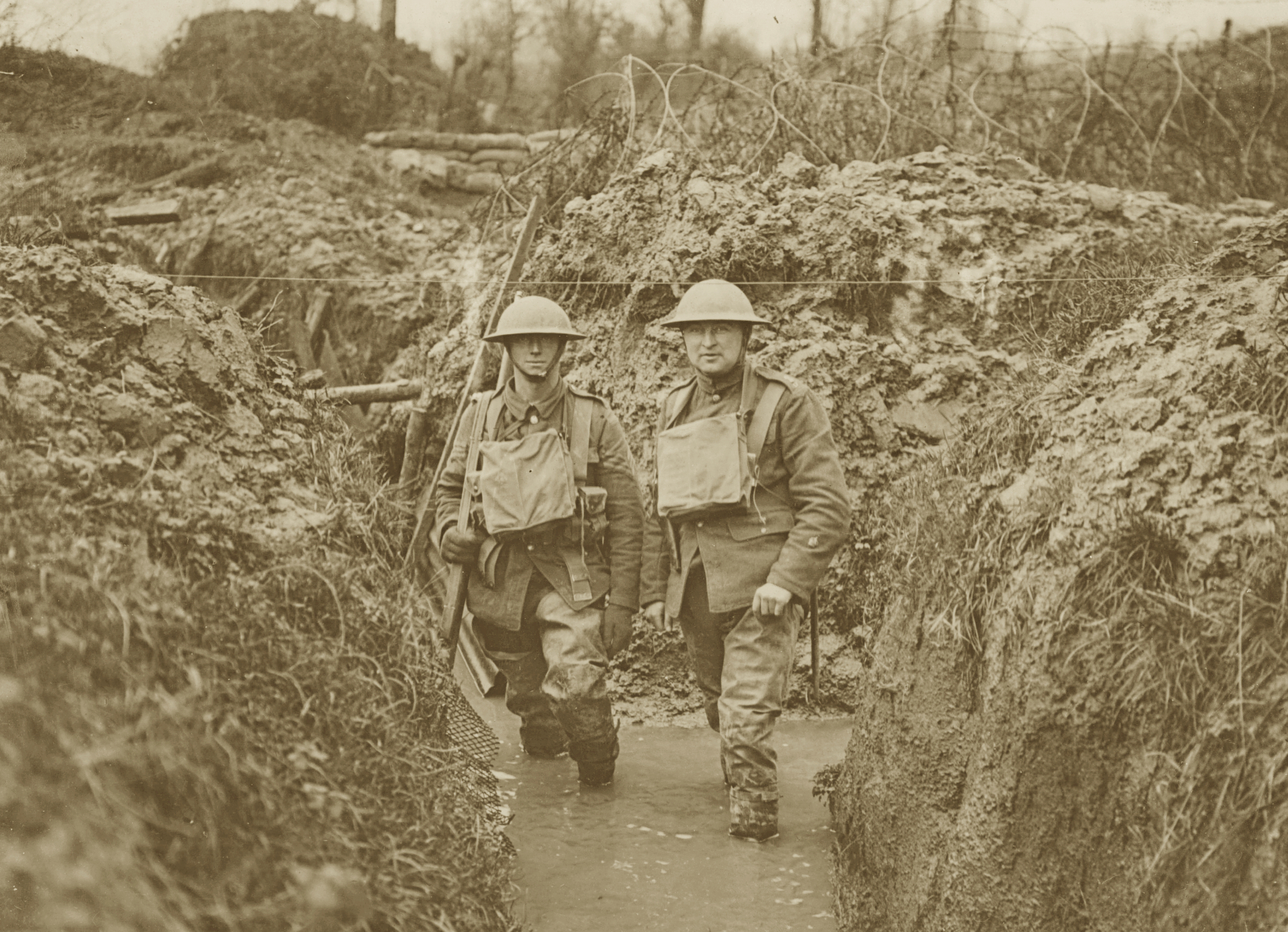 British soldiers standing in knee deep water in a trench.
31 May
Battle of Jutland
This erupted as the largest naval clash of WWI. Britain's Grand Fleet engaged Germany's High Seas Fleet, securing strategic British control.
08 June
Voluntary enlistment replaced by conscription
03 July
First foundation stone for Oakdale Institute laid
1 Jul. – 18 Nov. 1916
Battle of The Somme
This began as the British Army's bloodiest day. The massive joint Anglo-French offensive aimed to relieve pressure on Verdun. The attack on Flers–Courcelette famously marked the first battlefield deployment of tanks in military history.
The campaign also featured the pivotal Battle of Guillemont, where British troops captured a vital stronghold to link Allied lines along the Western Front.
19 August
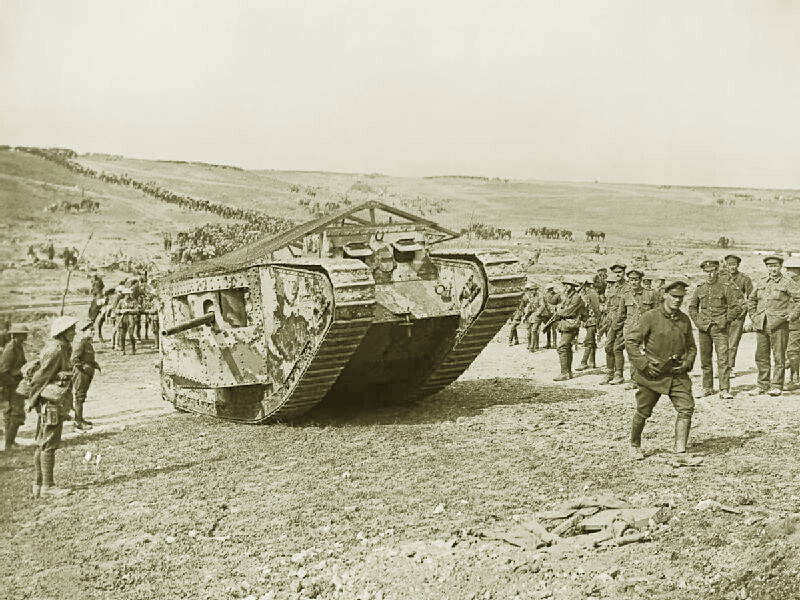 ✪ The first tanks used in combat were during the Battle of Flers-Courcelette.
05 September
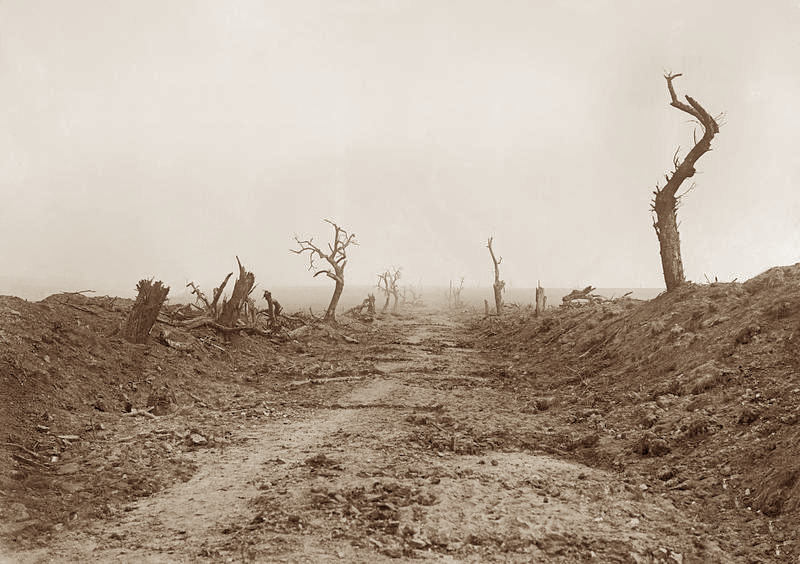 The road to Guillemont viewed from Waterlot Farm...
08 September
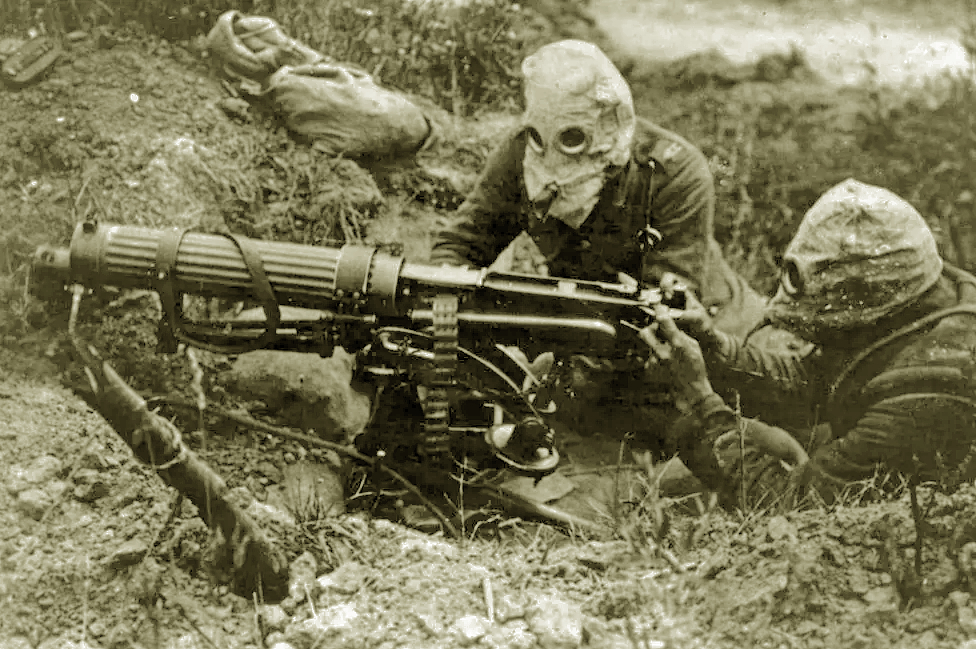 Machine guns inflicted heavy casualties on both sides.
23 September
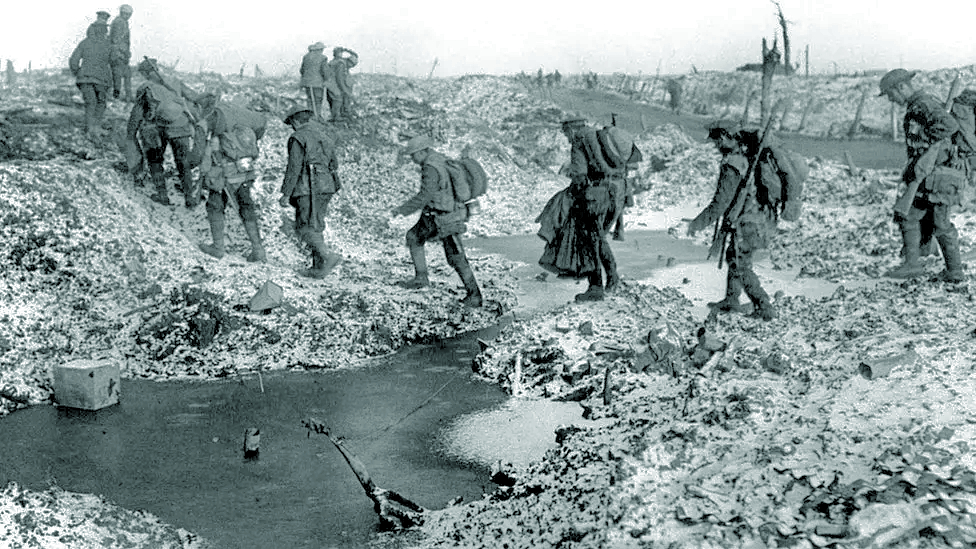 Bad weather turned much of the battlefield into a quagmire.
23 November
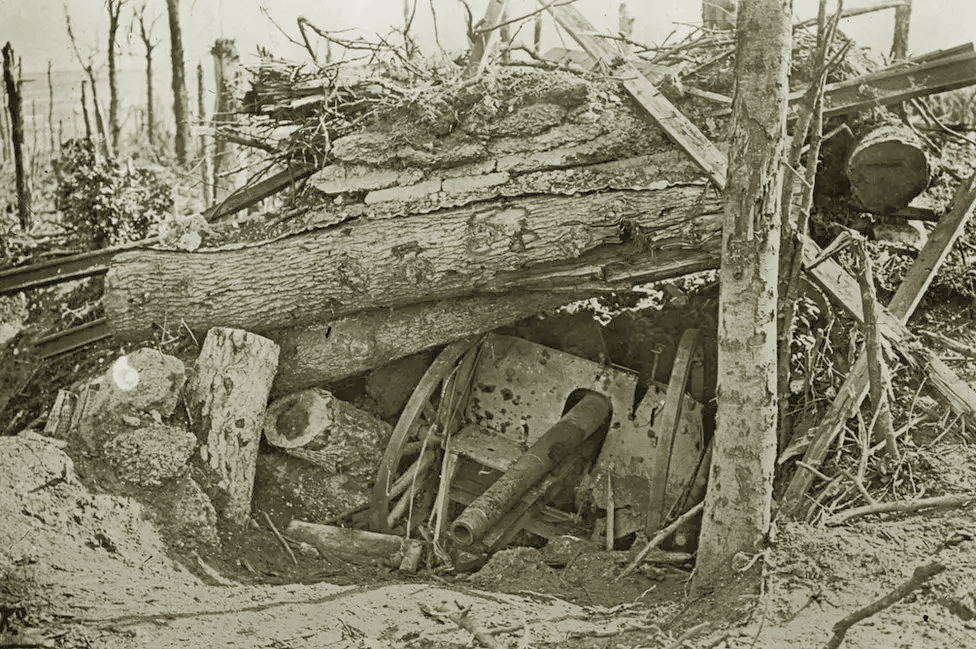 The British Fourth Army is said to have advanced just 900m...
07 December
David Lloyd George becomes Prime Minister of Britain
1917
16 January
The Zimmerman telegram intercepted and decoded by Room 40
15 March
Czar Nicholas II abdicates the Russian throne
Spring & Summer 1917
Lens Sector & Attack on Lens
Germany’s first mass use of lethal chlorine gas on the Western Front. The devastating chemical attack shattered Allied lines, but fierce resistance successfully blocked the German advance toward the strategic town of Ypres.
26 May
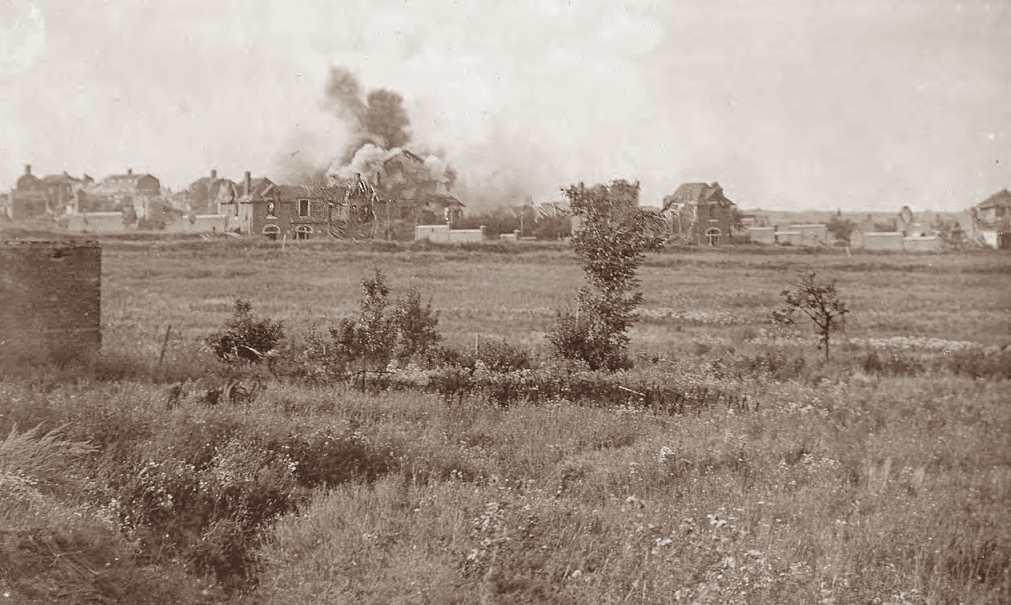 ✪ First major action led by a Canadian commander...
04 June
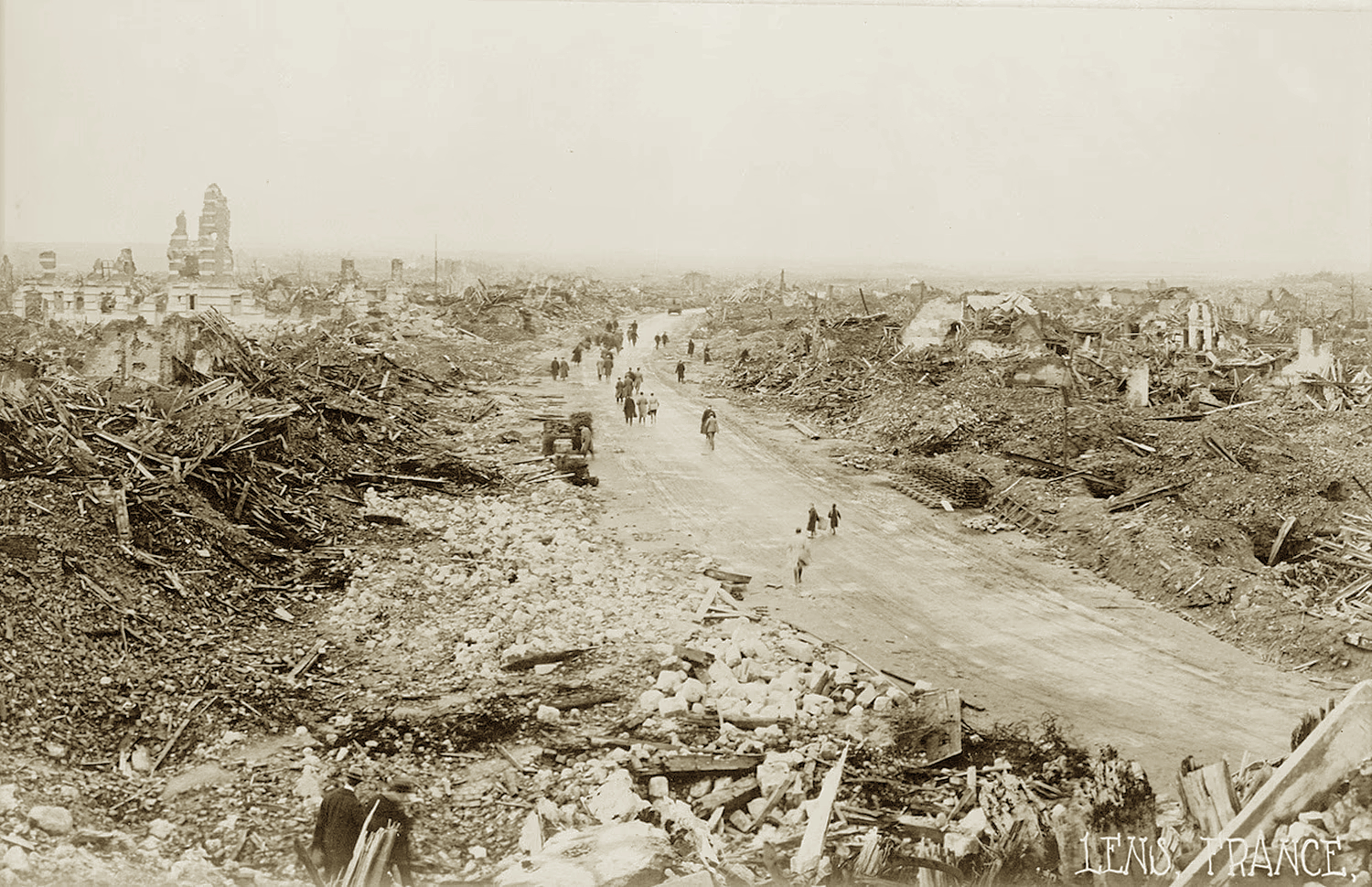 ✪ First large-scale use of modern urban warfare.
25 July
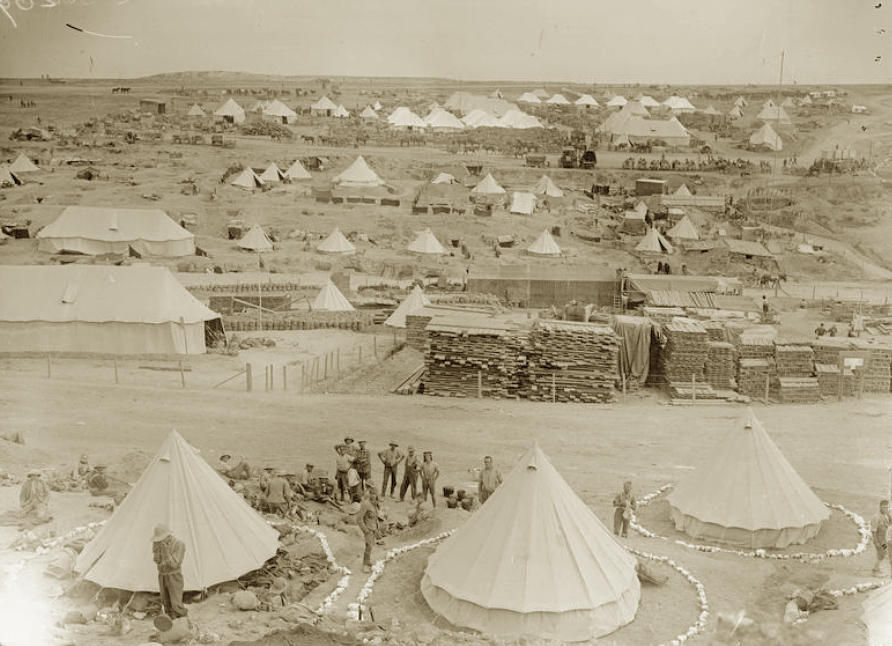 The toilet facilities at Gallipoli were far from luxurious.
Jul. - Nov. 1917
Passchendaele Offensive
Aiming to break German lines and capture submarine bases in Belgium, the Allied offensive became infamous for torrential rain, thick mud, and horrific casualties, symbolising the brutal attrition of trench warfare.
30 July
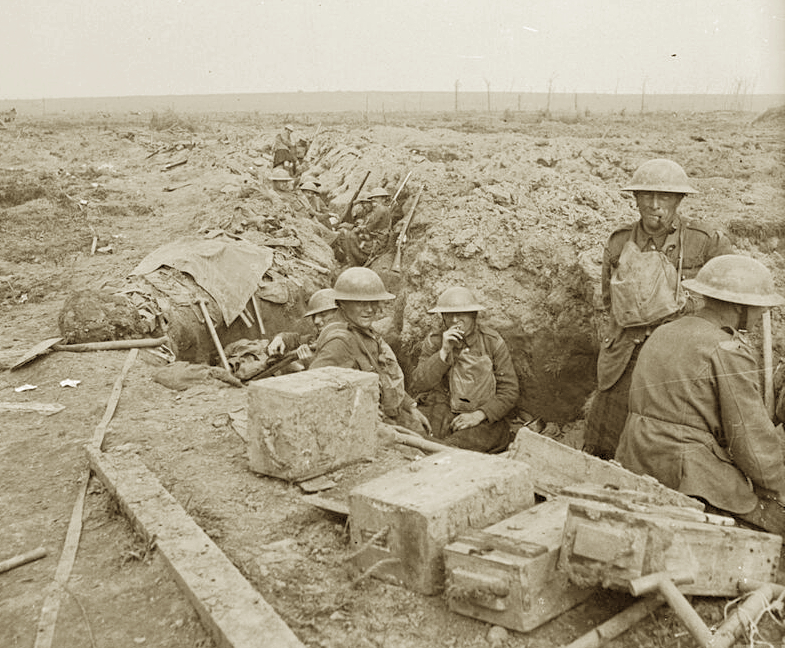 Battle of Menin Ridge Road, East of Fresenberg Ridge.
11 August
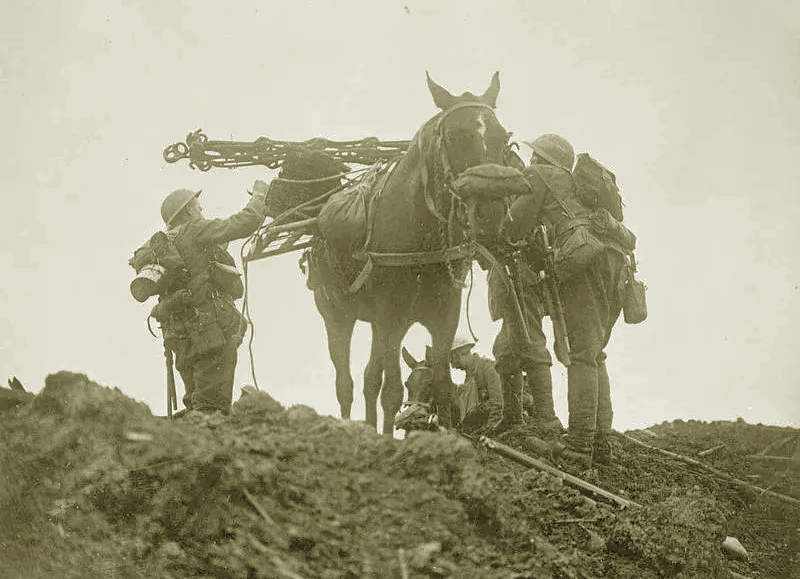 British troops loading a pack horse, Battle of Pilckem Ridge.
24 September
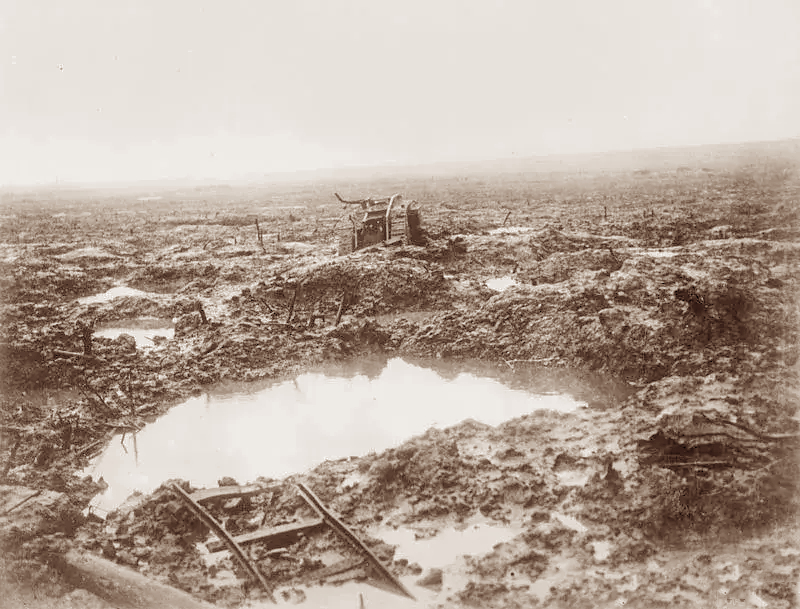 A derelict tank stuck in the mud during the assault...
10 September
Oakdale Institute officially opened
07 November
Bolsheviks overthrow the Russian government
Dec. 1917 - Feb. 1918
Battle of Cambrai
This marked history’s first large-scale, mass deployment of tanks to puncture the formidable German Hindenburg Line. Dramatic initial successes were later rolled back by German counter-attacks, it proved armor's future dominance.
02 December
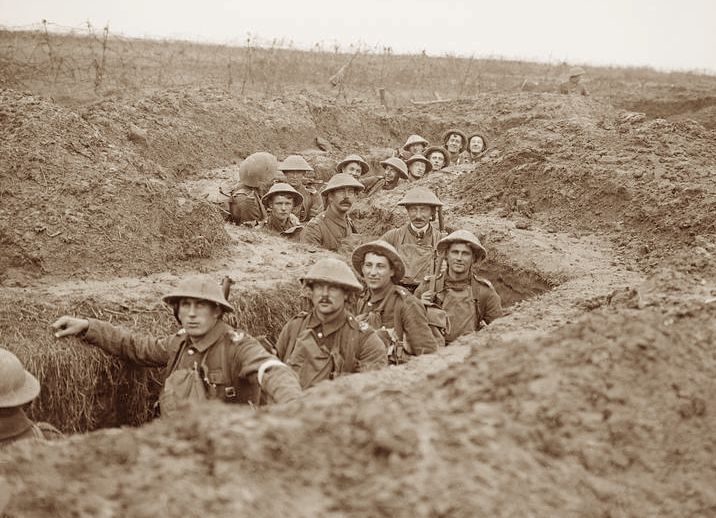 Men of the 11th Battalion in a captured German trench.
17 December
Armistice between new Russian government and Central Powers
Dec. 1917 - Feb. 1918
PALESTINE CAMPAIGN
The British-led Egyptian Expeditionary Force rebounded from two bloody defeats at the First and Second Battles of Gaza. Under General Edmund Allenby, the Allies broke Ottoman lines at Beersheba and successfully captured Jerusalem by December.
19 December
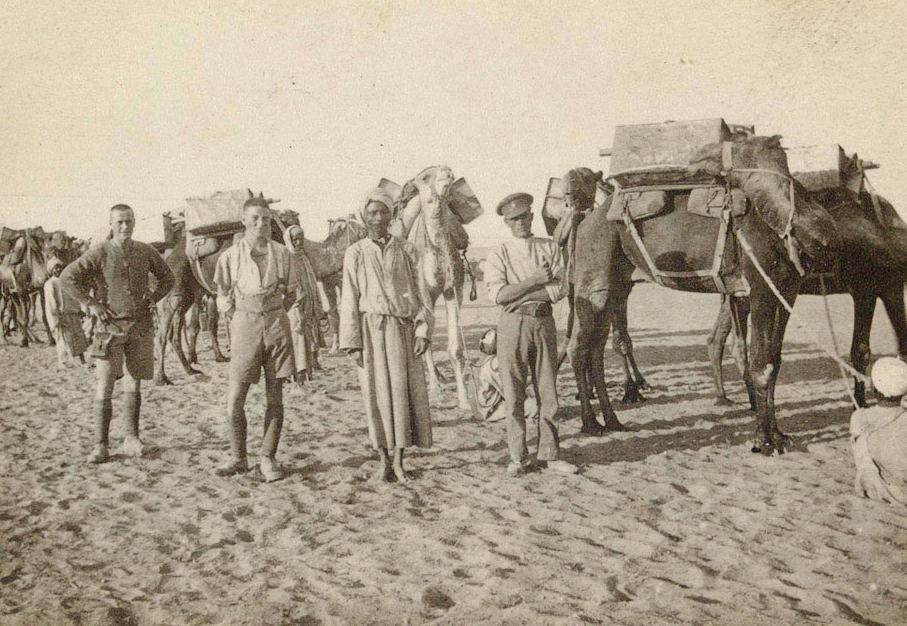 British soldiers with the Egyptian Camel Trans. Corps.
1918
08 January
President Woodrow Wilson issues his 14 Points for peace
04 February
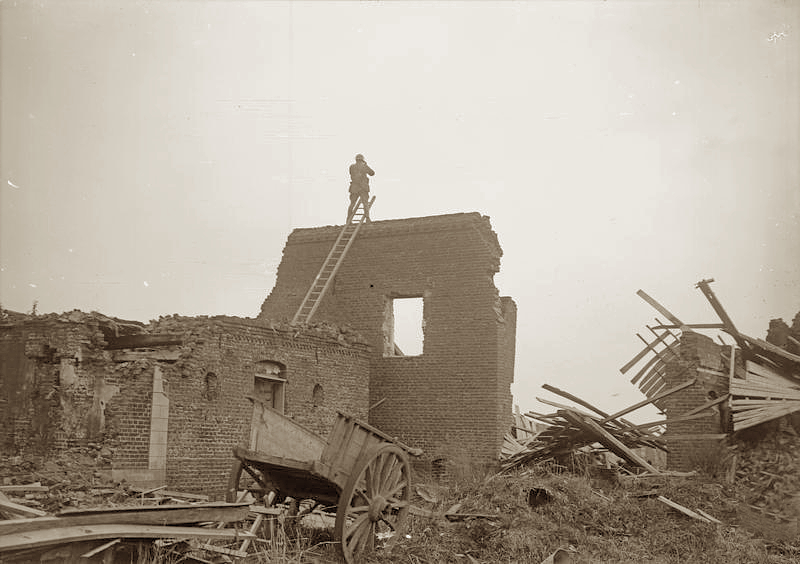 An artillery observation officer on top of a ruined wall...
Mar. – Apr. 1918
German Spring Offensive
The massive German Spring Offensive (Kaiserschlacht) utilized elite tactics and overwhelming artillery smashing through Allied lines and achieving the deepest advances since 1914. However, overextended supply lines and heavy casualties exhausted the drive before victory.
24 March
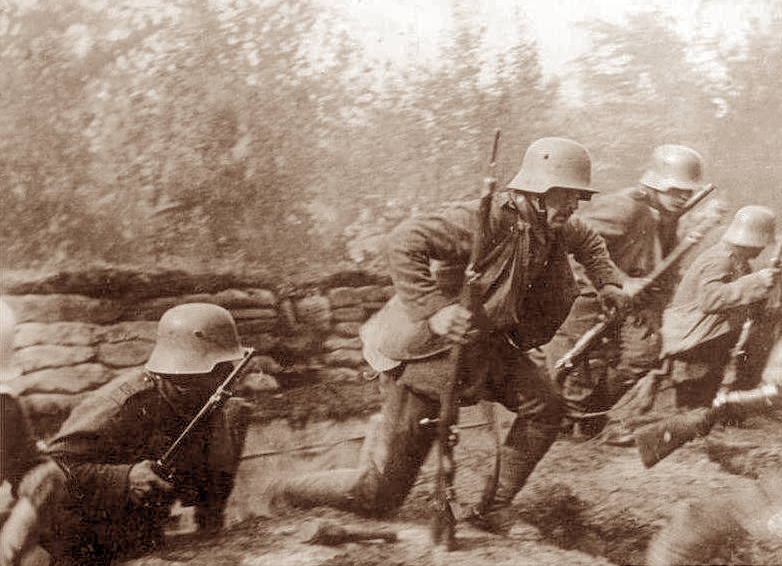 German Stormtroopers beginning of an assault.
28 March
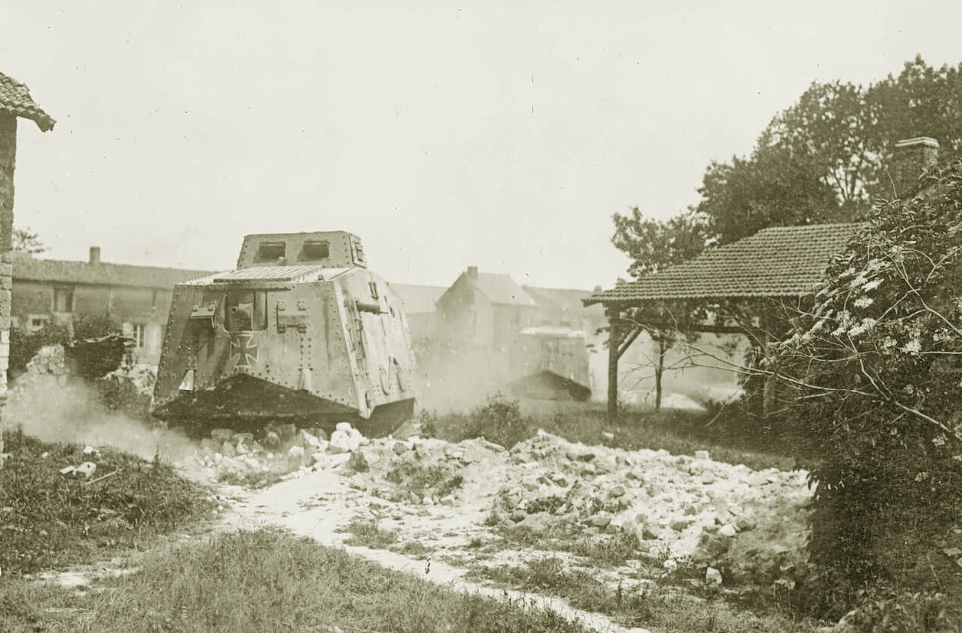 German A7V tanks passing through a town, June 1918.
Spring 1918
The Red Baron is shot down
Aug. – Nov. 1918
100 Days Offensive
Launched on 8 August 1918, this was the decisive Allied campaign that ended World War I. Beginning with the stunning victory at Amiens, a series of coordinated, rapid offensives broke through the Hindenburg Line, forcing a collapsed German Army to sign the Armistice on 11 November.
31 August
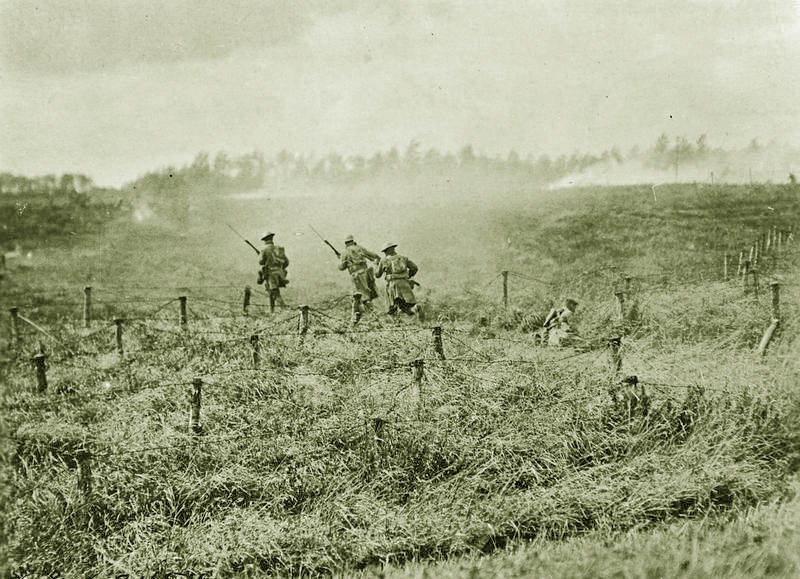 A British patrol on the move in a field of barbed wire.
11 September
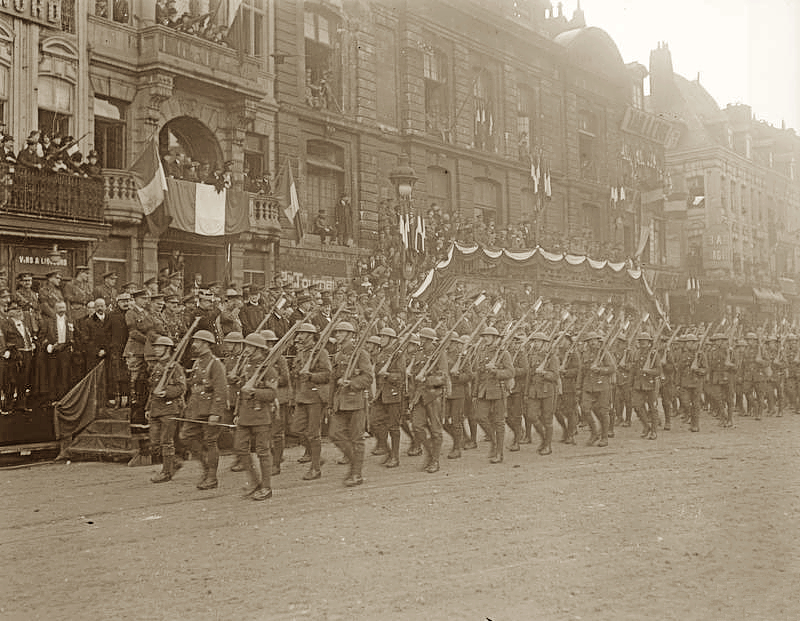 British march into Lille by the Grande Place.
Sept. – Oct. 1918
Assault on the Hindenburg Line
The Allies launched an attack on the backbone of German defenses. Driven by British, Australian, and American forces, the epic breach at the St. Quentin Canal shattered German military morale, permanently breaking their defenses and directly precipitating the end of the war.
18 September
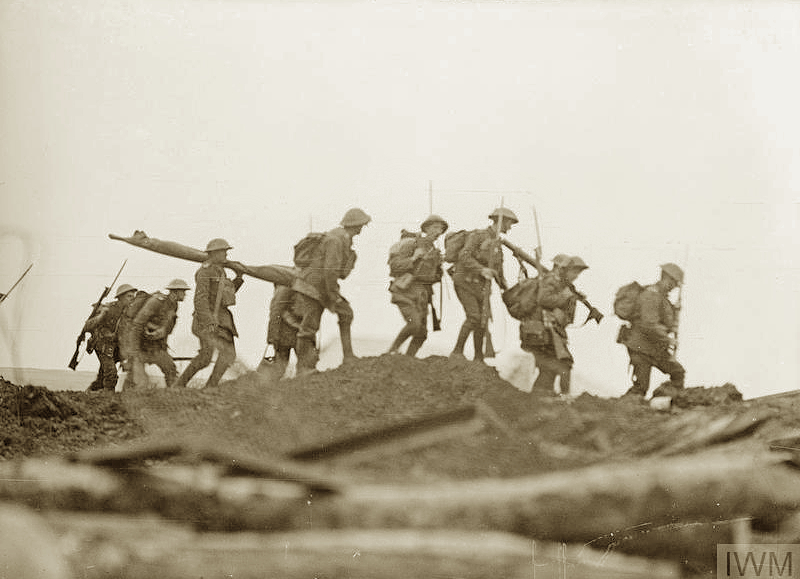 Royal Fusilers advancing over the German second line.
05 October
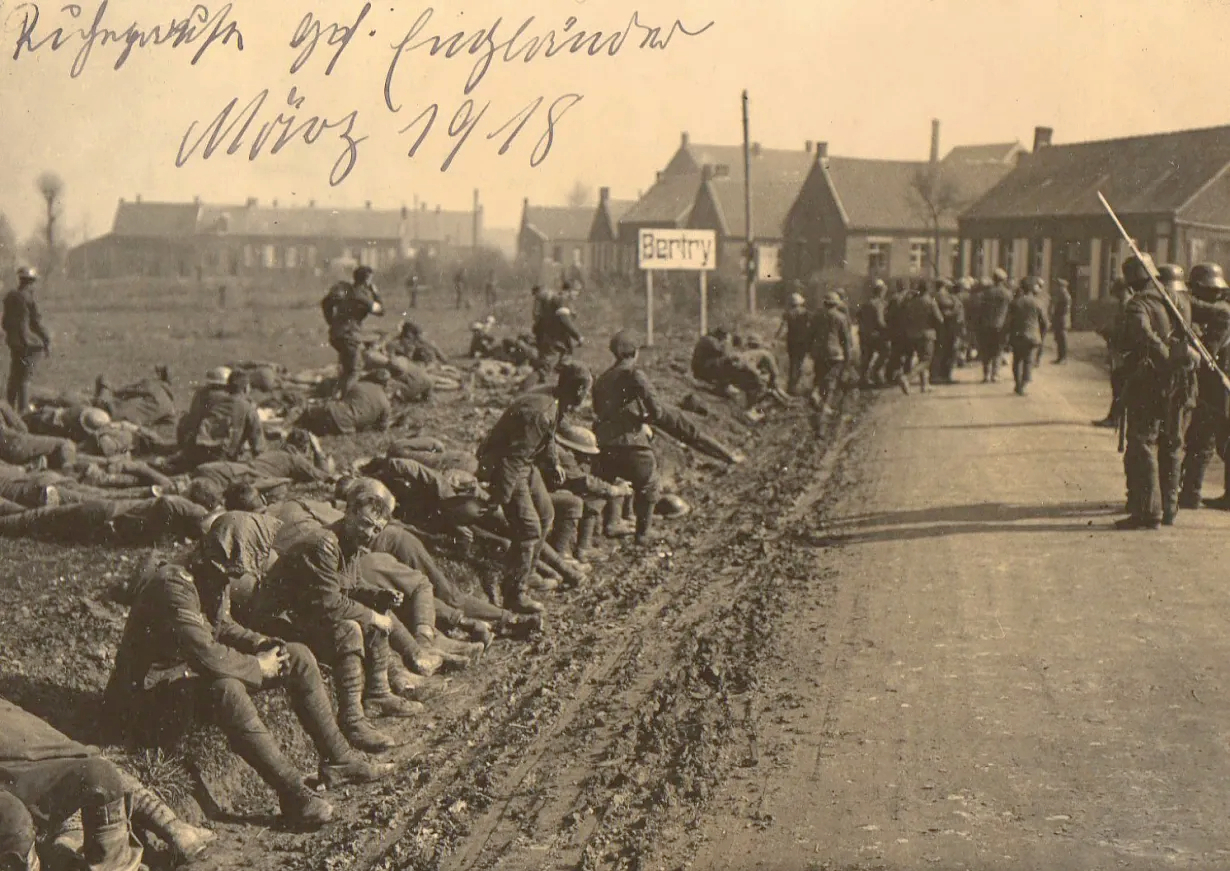 British soldiers taken prisoner by the Germans in 1918.
09 November
German Kaiser Wilhelm II abdicates and flees to Holland
11 November
Germany Signs the Armistice
Signed in a railway carriage at Compiègne, the Armistice of 11 Nov. 1918 took effect at 11:00 a.m., ending four years of horrific combat. The agreement forced Germany to withdraw, surrender vast military hardware, and paved the way for the Treaty of Versailles.
December
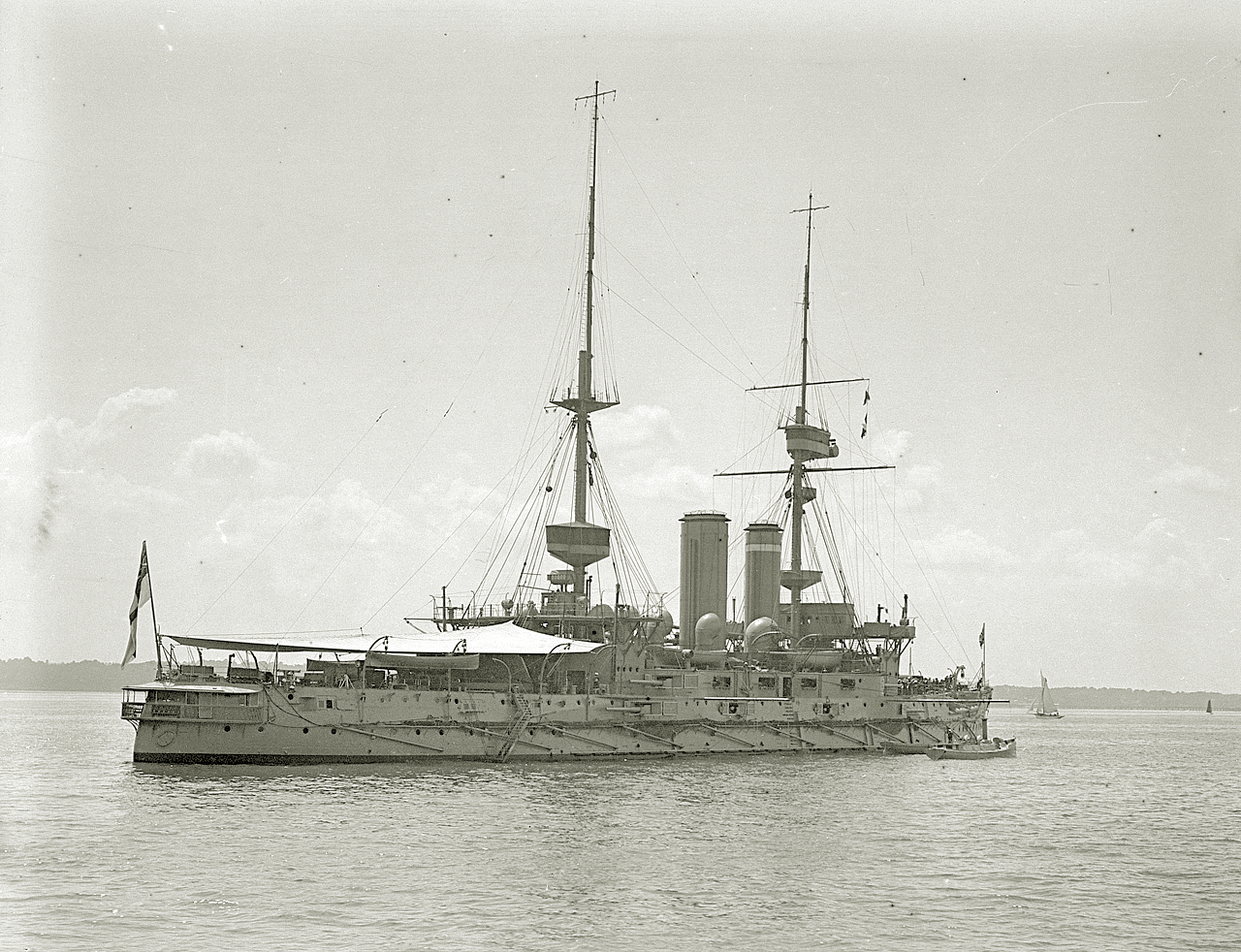 HMS Implacable with fire control platforms.
1919
January
28 June
Treaty of Versailles signed
19 July
Cenotaph Unveiled in London
1907
 WWI - The Fallen
View the registry of the men commemorated on the Oakddale War Memorial. ► Read more...
WWI - The Fallen
View the registry of the men commemorated on the Oakddale War Memorial. ► Read more...
 WWI - Stories
Explore the experiences of the soldiers from Oakdale who paid the ultimate price.► Read more...
WWI - Stories
Explore the experiences of the soldiers from Oakdale who paid the ultimate price.► Read more...